How to Price Handmade Pottery: A Simple Costing Framework for Emerging Makers

The mug is €22. Someone at the market picks it up, turns it over, admires the glaze, and puts it back down. You drive home with a half-empty box and a number in your head that doesn't feel like a win. What's usually missing at that moment isn't confidence or a better sales pitch. It's a costing sheet — a plain piece of paper that tells you what the mug cost you before anyone else decides what it's worth.
Pricing handmade work is arithmetic first and judgment second. Do the arithmetic badly and no amount of charm at a craft fair will save you. Do it well and you can charge without flinching, because you know exactly what the number is made of.
Count Everything the Piece Actually Consumes
Ask a new potter what a mug costs and they'll say "the clay." Clay is often the cheapest thing in the studio. The money goes everywhere else: glaze, wax resist, kiln wash, sanding pads, sponges, bats, slip, oxides, brushes that lose their points, the towel you ruined, the shelf that warped.
The fix is to cost a batch rather than a single piece. Throw twenty mugs, then weigh one trimmed, bone-dry mug and multiply it out. Note the glaze you actually used — mix a fresh batch, weigh the bucket, weigh it again after glazing, and divide. Do this once per form and write the numbers down. A small notebook of real figures beats an elegant spreadsheet full of guesses.
Then account for loss. Count what goes into the bisque, what comes back, and what survives the glaze firing. If eighteen mugs come out of a twenty-mug batch, those eighteen carry the cost of the two that cracked. Your own loss rate, honestly measured, belongs in the price.
Firing Belongs in the Cost, Not in the Guesswork
The kiln is not free because you don't see the bill every week. Electricity or gas, elements that wear out, shelves and posts that eventually need replacing, the kiln wash you brush on and burn off — all of it is a cost per firing, and therefore a cost per piece.
Find the consumption of one cycle: read the meter before and after, or work from your utility rate and the kiln's rated draw. Multiply by your tariff. Then divide by the number of pieces in that firing. This is why load density matters so much — a half-empty kiln costs the same to run as a full one, so the pieces in it are quietly twice as expensive as they look.
Add a maintenance figure on top. Set aside a small amount per firing for elements, thermocouples and the occasional shelf. When the kiln finally needs work, the money is already there instead of coming out of a month you'd rather not think about.
Pay Yourself for the Hours You Forget
Most makers count throwing. Almost nobody counts the rest: wedging, trimming, pulling and attaching handles, checking drying, waxing feet, glazing, wiping bottoms, loading, unloading, photographing, listing, replying to messages, packing, driving, standing at a stall for six hours.
Use a timer for one full batch, start to finish, including the boring parts. Divide the total by the number of saleable pieces. That's your real time per piece, and it's usually sobering.
Choosing an hourly rate you can say out loud
Pick a rate you'd be comfortable quoting to a stranger. Compare it with what you'd earn doing something adjacent — teaching a class, working in a shop, assisting another potter. If the rate you've chosen makes you wince, it's too low, not too generous. Then test it: a potter working at €18 an hour who spends nearly an hour on a mug is not being extravagant. They're being accurate.
Note that this is your wage before tax. Rules on self-employment, VAT and deductions vary by country and by how much you sell, so speak to an accountant or a business adviser once your sales become regular. It's a cheaper conversation than the one you have after an inspection.
Overhead: The Studio That Stays Open When You Don't
Overhead is everything you pay for regardless of how many pieces you make: studio rent or a share of it, insurance, guild memberships, the website, card reader fees, packaging stock, market stall fees, travel, courses, replacement tools, the corner of your home that's now permanently dusted with clay.
Add up a year of it. Divide by the number of pieces you sold last year — or a conservative estimate if you're just starting. That figure goes on every single piece. If you sell 600 pieces a year and overhead is €5,000, every mug carries roughly €8 of studio before it carries any clay at all.
The packaging line nobody budgets for
Boxes, tissue, tape, stickers, business cards, filler, the printed thank-you note. It adds up faster than clay and it's easy to forget because you buy it in a rush. Work out the cost of one packed parcel and use that figure every time.
Add Profit, Then Choose Your Channel
Profit is not your wage. Your wage pays you for the hours you worked; profit is what lets you replace the wheel, survive a quiet February, absorb a refund, or buy a better kiln without borrowing. A business that breaks even is a business that is slowly shrinking.
Once you have a cost — materials plus time plus overhead — add a margin. Many makers work toward a retail price roughly double their wholesale price, because a shop needs its own margin to stay open. Treat that as convention rather than law, but respect the logic behind it: if you sell wholesale at a price that only just covers your costs, you are effectively financing the gallery.
- Direct sales (markets, open studio, your own website): you keep the retail price but pay the stall fee, the card fees, the packaging and your own time on the stand.
- Wholesale: the buyer pays a lower price, takes the risk, and expects to mark it up. Your wholesale price must still cover materials, time, overhead and some profit.
- Consignment: you set the retail price and the venue keeps a commission. The commission is a cost — build it into the retail figure before you agree.
A Worked Example
Here is an invented mug with invented numbers, purely to show the shape of the calculation.
- Clay, 500 g at €2 per kg: €1.00
- Glaze used: €0.50
- Bisque plus glaze firing, at load density: €3.00
- Packaging and card: €0.80
- Overhead, €6,000 a year across 900 pieces: €6.65
- Time, 55 minutes including glazing, admin and packing, at €18 an hour: €16.50
That's €28.45 before a cent of profit. Add a margin and the mug sits somewhere in the mid-thirties. Yes, that's a lot next to a supermarket mug, and that comparison was never the right one. The right comparison is what the mug costs you to make honestly.
Start With Numbers You Can Defend
Build the sheet once, badly, and improve it as you go. Review your prices each season rather than once every three years, and raise them in small steps instead of one painful jump. Keep a record of what sold and at what price — that tells you more about your market than any formula.
You will still meet the person who puts the mug down. That's fine. You'll know, to the cent, why it costs what it costs, and you'll be able to hold the price without apologising for it.
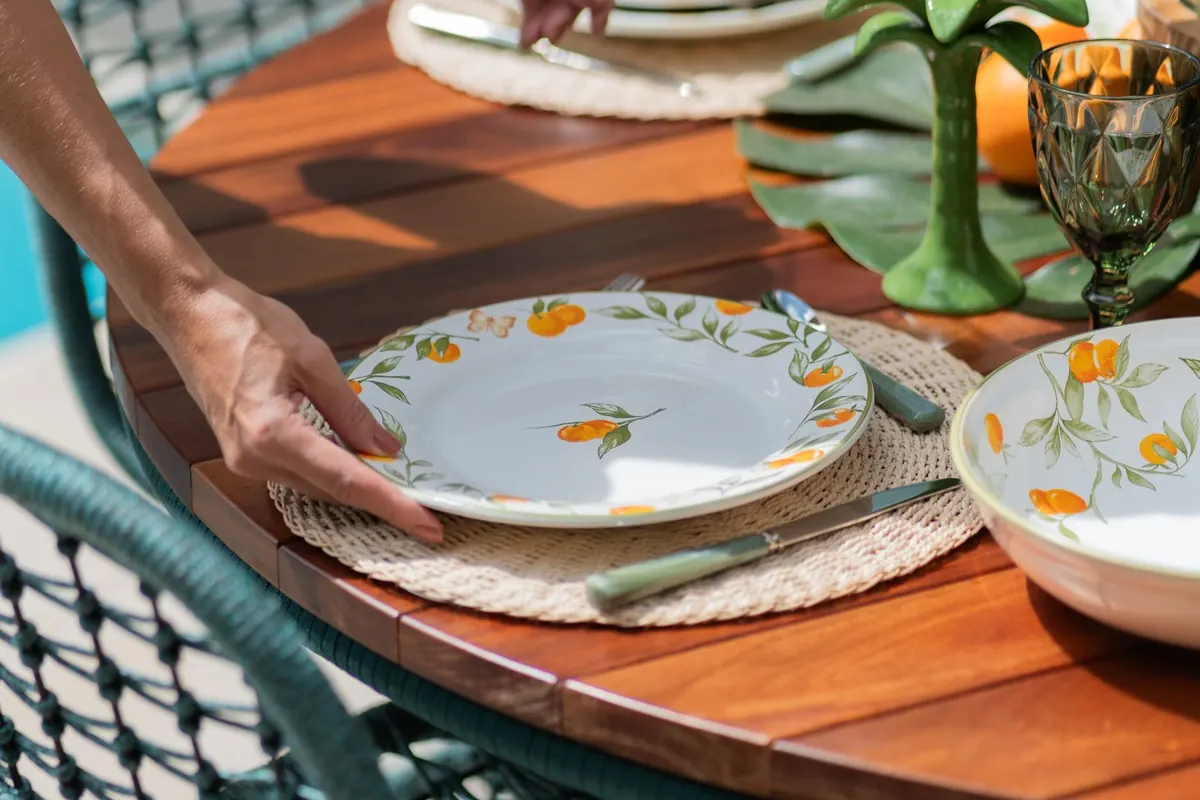
Photo: Dezetter / Pixabay