Seasonal Studio Calendar: What Ceramicists Should Make, Fire, and Sell Each Season
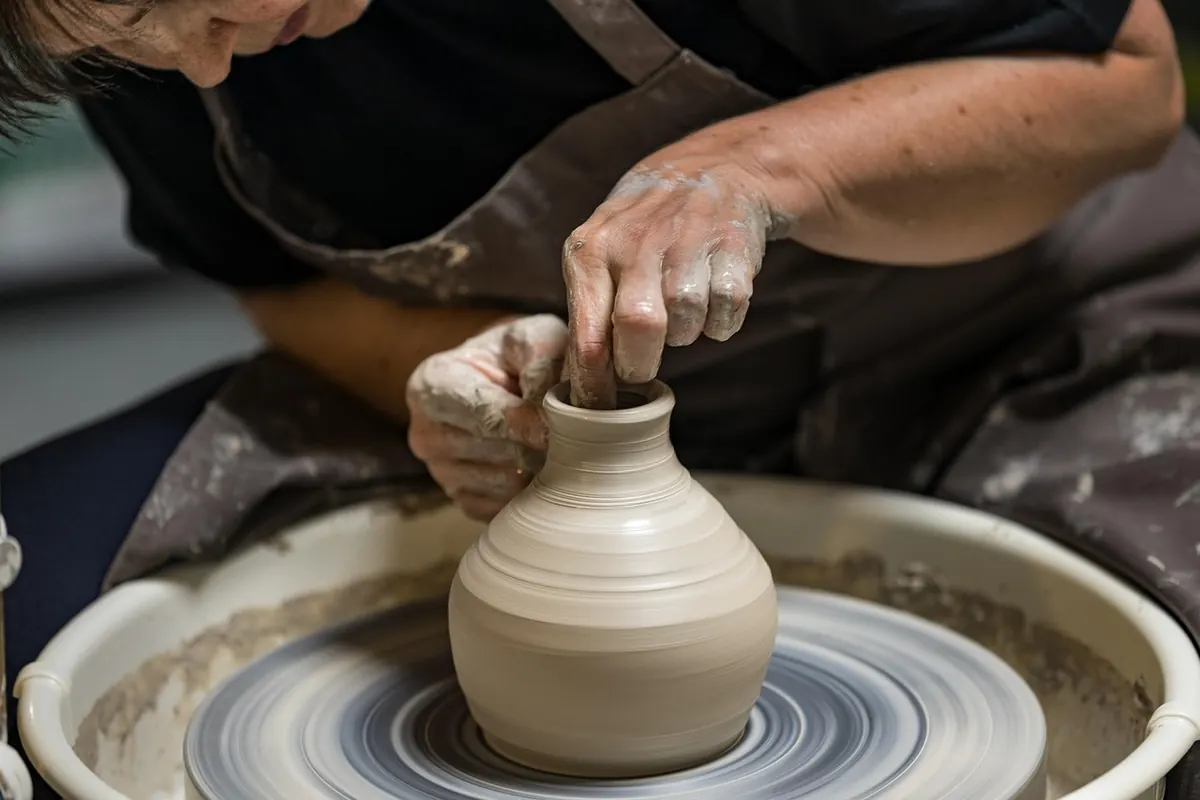
Clay keeps its own time. A mug thrown in October will not be glazed, fired, photographed and boxed for a December market unless somebody wrote it down in July. That is the plain truth of running a studio: the making is half the work and the calendar is the other half. What follows is a working year built around how kilns actually fill, how clay behaves in damp weather and dry, and when people buy bowls. Shift the months to suit your climate and hemisphere — the sequence matters far more than the dates.
Build the Year Around Your Kiln
Most production plans start with demand: which markets are coming, which shops want stock, which workshop needs samples. Then the plan falls apart in week six because the kiln cannot keep up. Start with firing capacity instead. It is the real bottleneck, and everything else bends around it.
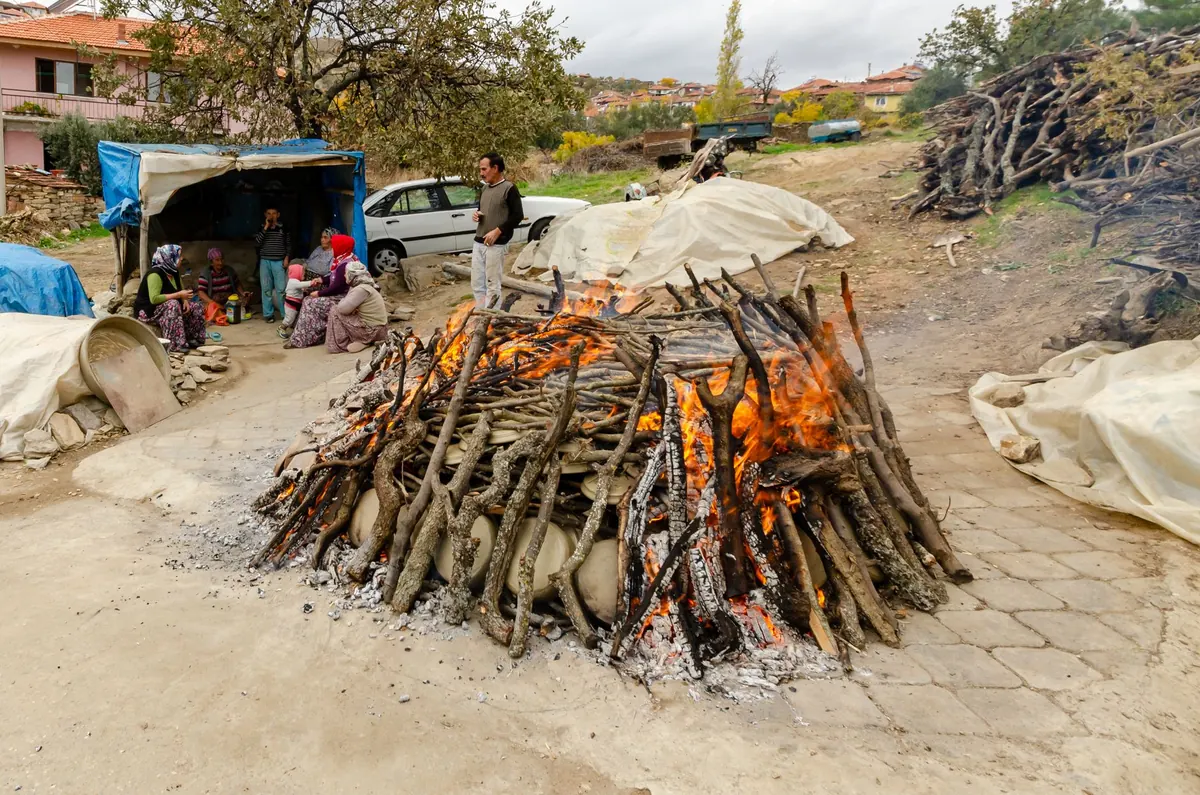
A kiln that runs once a month gives you twelve chances a year. Glaze firings usually need a bisque firing underneath them, so count an honest glaze load as two loads, and count the cool-down as part of the job — a large kiln can take the better part of a day to come down safely. Thirty-six hours per glaze cycle is a reasonable planning figure, not a promise.
Two habits pay for themselves quickly. First, keep a firing log: date, contents, cone, result, anything that went strange. After a year it becomes the most useful document in the studio, and it settles arguments with yourself about what actually fits in a load. Second, batch properly. A full kiln costs far less to fire per pot than a half-empty one, so resist the urge to fire for three mugs and a bottle. If you share a kiln with other potters, book your slots at the start of each quarter, before the group chat fills up with panic.
Schedule the firings first. Deadlines and making days fit around them, not the other way round.
Winter: Batch Work and Quiet Testing
January and February are quiet on the retail side, which makes them the best production months of the year. This is when you throw the shapes you already know sell — the mug, the pasta bowl, the little dish that goes by the till — in numbers large enough to fill shelves by March.
Winter is also for the work that never fits in a busy week: glaze tests on tiles rather than finished pots, clay body comparisons, photographing the range properly, applying to galleries, and writing to shops you would like to stock you. Cold-climate studios often find a winter market for soup bowls, casseroles and mugs, so keep a small made-for-winter line if that's your audience.
- Service the kiln: check elements, thermocouple, door seal and brickwork.
- Clear the glaze buckets, sieve them, label the lids.
- Order clay and supplies before spring suppliers get busy.
- Reclaim and wedge the scraps you've been ignoring since October.
Spring: First Markets and the Teaching Season
March to May is when stock has to exist rather than be planned. Outdoor markets reopen, garden centres and plant shops restock, and buyers start thinking about weddings, housewarmings and Mother's Day. Planters, seed pots, small vases, jugs and generous serving bowls do well now; anything that looks like it belongs on a table with flowers on it.
If you teach, this is the season workshops fill fastest, and each one has a hidden cost in studio time: clay to wedge, tools to count, pieces to fire afterwards. Put the workshop firings in the calendar before you accept the booking, not after. If you are preparing wholesale samples, send them early in the season. Buyers plan months ahead, and a sample that arrives in June is a sample for next year.
Summer: Heat, Tourists and the Outdoor Table
June to August is market season in most places with a tourist trade, and the work that sells is outdoor work: pitchers, large platters, salad bowls, tapas dishes, anything that photographs well on a wooden table. It is also the season that quietly wrecks studio routines.
Clay dries too fast in a hot room and cracks at the rim or pulls away from a handle. Throw in the cool of the morning, drape plastic over bats, keep a damp box within reach, and mist handles rather than soaking them. Glaze buckets lose water and thicken; check consistency with a hydrometer or a simple finger test before every session, not once a month. Kiln rooms become unbearable, so fire overnight and ventilate properly — and never leave a firing unattended, whatever the hour.
Shipping deserves attention too. Pack for a hot van and a careless courier: double-box, use plenty of void fill, and keep the tape and labels stocked so a good week of sales doesn't stall on packing supplies.
Autumn: The Push, Planned Backwards
September to November carries most of the year's income for many studio potters: holiday craft fairs, wholesale deliveries to shops, and the online rush. The mistake is to treat these deadlines as dates rather than as the end of a chain of tasks. Work backwards instead.
Counting backwards from a market date
- Write down every market, wholesale order and online deadline with its real ship or handover date.
- Subtract shipping time, and add a few days for December courier delays.
- Subtract the glaze firing, the cool-down, and the bisque firing before it.
- Subtract drying time: three days for thin cups in dry weather, a week or more for thick slabs in humid weather.
- Subtract making days at a realistic rate — most potters overestimate what they throw in an afternoon.
- Add a buffer of at least ten per cent, then put the whole thing on the wall where you can see it.
Wholesale buyers usually want holiday stock delivered well before the season starts, so ask each one for their cut-off date in writing when the order is agreed. Keep a small reserve of best-sellers unglazed and ready for a last-minute order; a bisque pot in the cupboard is cheaper than a missed sale.
December: Sell Through, Then Close the Loop
The first half of the month is for markets, local pickup and last shipping dates. The second half belongs to the studio rather than the customer. Count what's left on the shelf and write down what didn't sell — the answer is usually more useful than the success. Clean the kiln, check the elements, note any piece that came out wrong and why. Update your records for the year, and if tax or bookkeeping questions come up, take them to an accountant rather than guessing in January.
Before you close the door, do one small thing for next year: order the clay, sketch the spring range, or book the first firings. Momentum in January is easier to keep than to find.
A Calendar With Slack Built In
The best seasonal plan is the one you can still follow in a bad week. Leave one buffer week per quarter and protect it. Never schedule a glaze firing for the day before a market, because a firing that goes wrong needs time to be remade or replaced. Make more of whatever sold out, and fewer of whatever you love but nobody buys. Review the calendar at the start of each month, cross out what hasn't happened, and move it honestly rather than pretending it will catch up.
Write it on paper and pin it above the wheel. A year of ceramics is not a sprint through four seasons but a rhythm — make, dry, fire, sell, rest, repeat — and once the rhythm is on the wall, the rest of the work gets quieter.
Photo: marcelkessler / Pixabay